
Gynaecology forevery stage of life.
Diagnosis and treatment for period problems, pelvic pain and menopause symptoms, from medicines to keyhole surgery.

It starts with an unhurried consultation: your full history, an examination, then scans and blood tests chosen for your symptoms.
Together you then talk through the choices and pick the least invasive one that suits you, from medication to minimally invasive surgery.
Dr Dharsh is a female gynaecologist, and many women find that makes it easier to talk about periods, intimate symptoms and screening results.

- Period and menopause care
- Pelvic pain assessment
- Keyhole and hysteroscopic surgery
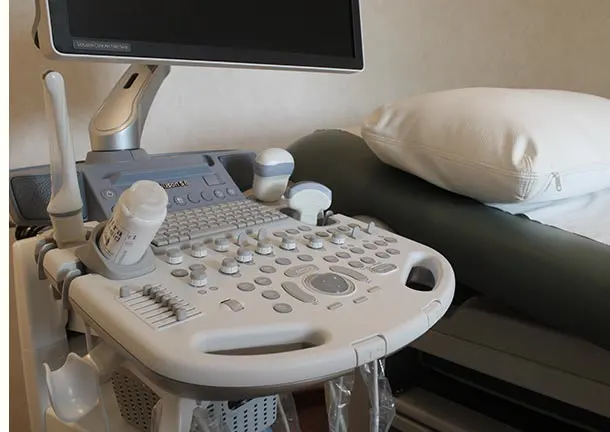
- Ultrasound in clinic
Period problems
Periods that are heavy, painful or unpredictable can wear you down. Most causes can be treated.
Heavy menstrual bleeding
Soaking through protection every one to two hours, clots larger than a coin, or periods over seven days. Fibroids, polyps and hormones are common causes.
Painful periods
DysmenorrhoeaPain that affects work, study or social life, sometimes with feeling faint.
Bleeding between periods
Intermenstrual bleedingCan be due to growths in the womb, infection or a hormonal imbalance.
Bleeding after sex
Postcoital bleedingMay be due to a growth on the cervix or an infection, and should always be checked.
Irregular cycles
Long gaps between periods, or bleeding that seems constant. Often hormonal and treatable.
Perimenopause and menopause
Irregular or heavier periods, hot flushes, night sweats, poor sleep and mood changes. Treatment includes HRT, non-hormonal medicines and local therapies.

Abnormal Pap smear results
An abnormal Pap smear means some cells from the cervix look different from normal. It does not mean cancer. Most changes are caused by HPV and many clear on their own.
Depending on your result and HPV status, the next step is a repeat test, an HPV test or a colposcopy (a closer look at the cervix), with treatment for higher-grade changes.
Results from overseas are welcome, and Dr Dharsh can explain how they fit Singapore's follow-up pathway.
Pelvic pain
The pelvis holds several organs, and pain can come from any of them. Finding the cause is the first step.
Ovarian cysts
Fluid-filled sacs on the ovary that can cause discomfort, burst or twist, and sometimes affect fertility.
Fibroids
Muscle growths in the womb. Often silent, but they can cause heavy periods or press on the bladder or bowel.
Endometriosis
Tissue like the womb lining growing outside the womb, causing pain and sometimes fertility problems.
Pelvic inflammatory disease
Infection in the pelvis causing inflammation and ongoing pain. Diagnosed with swabs and treated with antibiotics.
Cystitis
Bladder infection that can be very painful. Investigated with urine tests, and scans if it keeps coming back, and treated with medication.
Gynaecological surgery
Where surgery is the right option, keyhole and hysteroscopic methods are used whenever suitable, which may mean smaller scars and a quicker recovery.
- Laparoscopic ovarian cyst removal (cystectomy)
- Fibroid removal (myomectomy)
- Removal of the womb (hysterectomy)
- Hysteroscopic removal of womb polyps
- Dilatation and curettage (D&C)
Common questions
How do I know if my periods are too heavy?
I have an abnormal Pap smear result. What happens next?
What treatment is available for perimenopause?
What happens at a gynaecology consultation?
Is surgery always needed for fibroids or cysts?
Further reading
Endometriosis: what it is, and when to get checked
Painful periods are common, but pain that stops you working, studying or sleeping is worth a closer look.

Heavy periods: what counts as heavy bleeding, and how it is treated
How to tell if your periods are too heavy, the common causes, and the treatment options available in Singapore.

Abnormal Pap smear result: what it means and what happens next
An abnormal result is common and rarely means cancer. Here is what the terms mean and what follow-up usually involves.
Ready to talk it through?
Book a gynaecology consultation and the clinic will confirm a time within one working day.